Episode Description
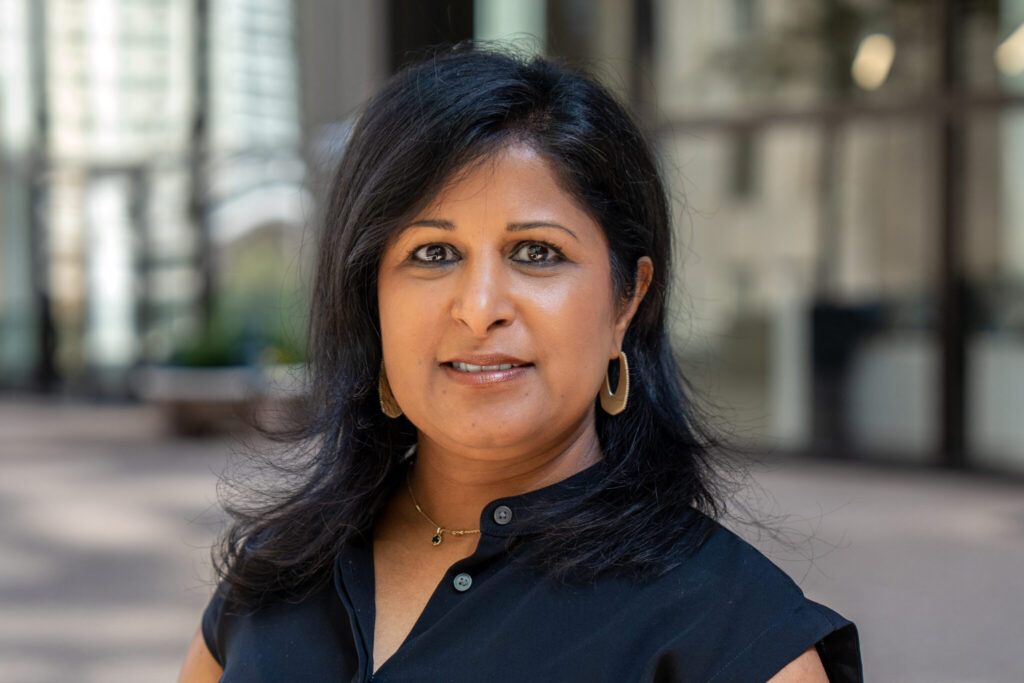
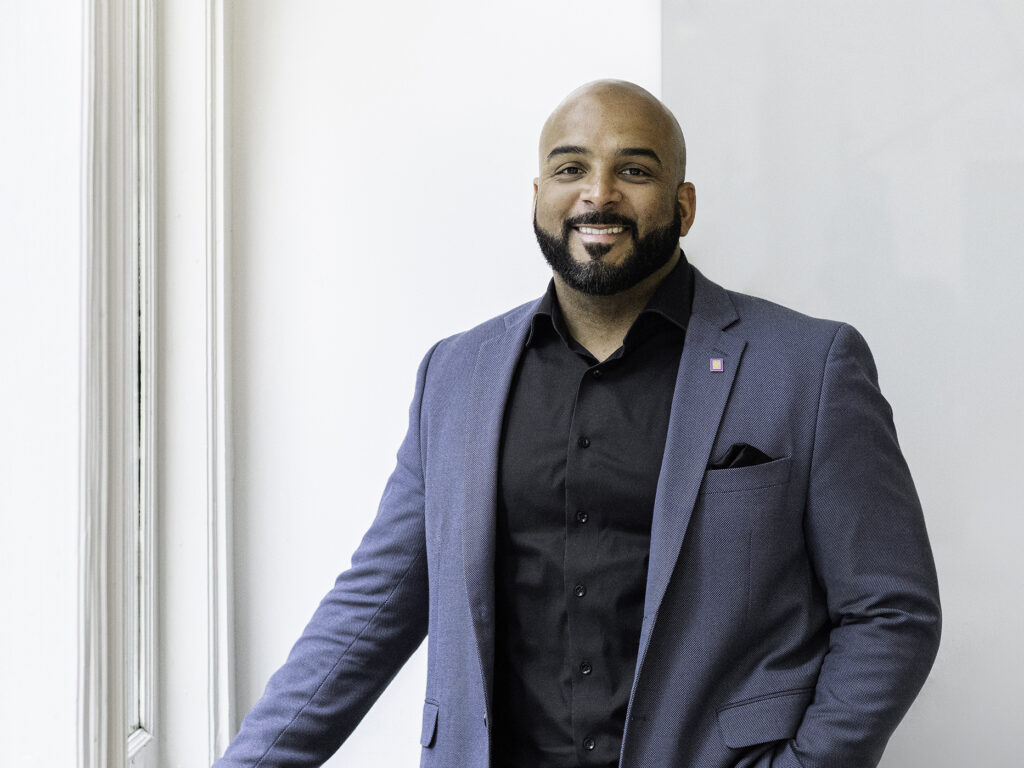
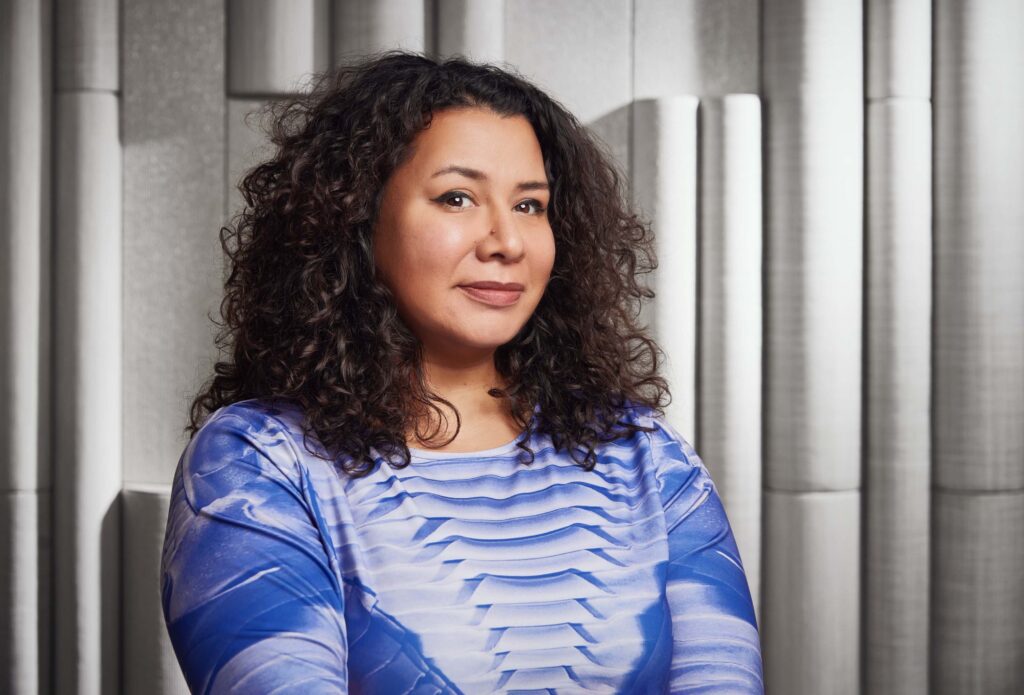
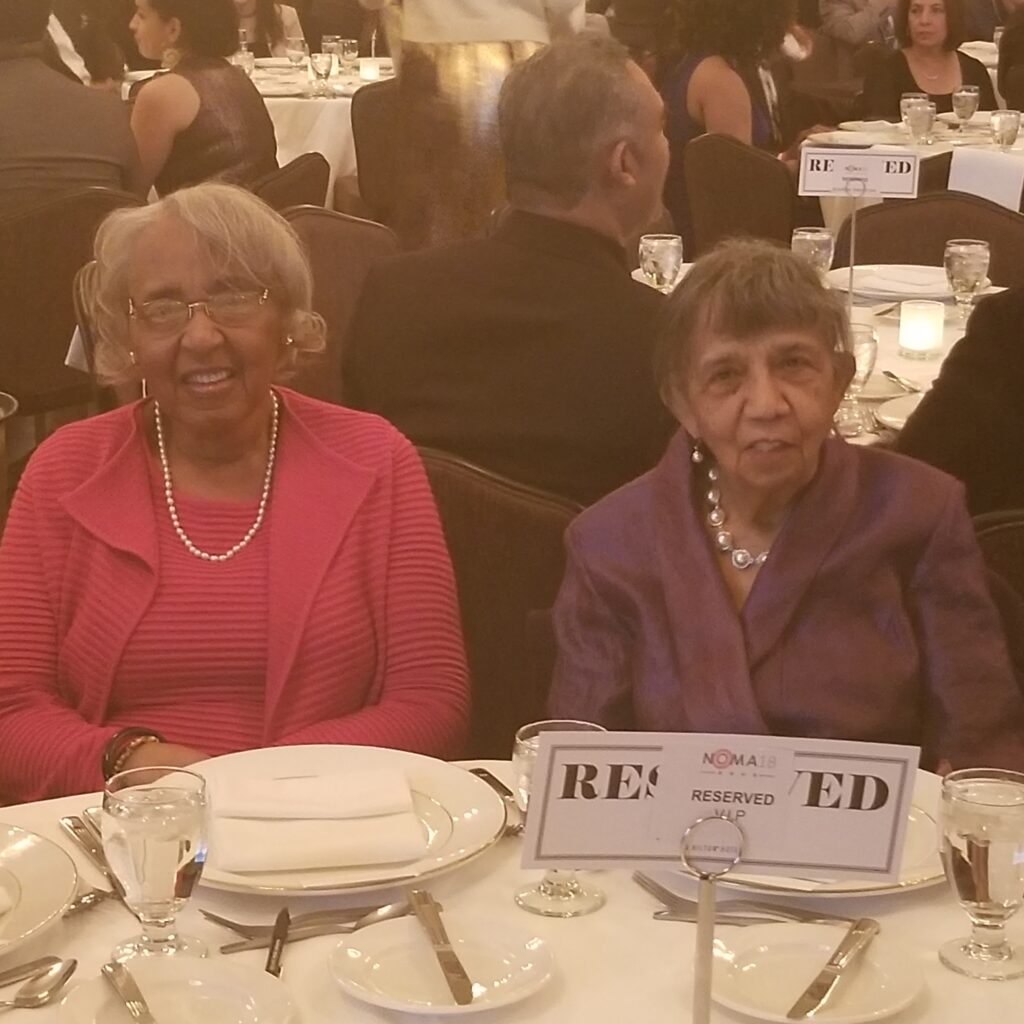
June Campbell is a respected member of the National Organization for Minority Architects Council (NOMAC) and the wife of the late Wendell Campbell, one of the founders of NOMA and its first national president. In this episode, June reflects on a remarkable journey shaped by love, resilience, and the pursuit of equity in the world of architecture. Joining her are special guests Leslie Campbell, her daughter, and Bryan Hudson, an architect and former NOMA National President who once worked under Wendell’s mentorship. Together, they bring personal insight into the spirit of community, determination, and leadership that defined Wendell’s life and legacy and continue to guide NOMA’s mission today.
“I use to sit with the children on my block and we would play school and I was the teacher”
June grew up on the South Side of Chicago during a time of deep segregation and limited opportunity for Black families. She was “the only obvious Black girl” in her high school, an experience that sharpened her awareness of difference but also nurtured her resilience. Though not an architect herself, June found her purpose in education and community building. From a young age, she dreamed of teaching, “I used to sit with the children on my block and we would play school and I was the teacher”, and went on to work as a kindergarten teacher, guided by patience, empathy, and a belief in the power of shaping young minds. Her perspective as an educator and as a Black woman offered a grounding presence throughout her life with Wendell. When the two met in college, their relationship grew through shared curiosity, long conversations, and a commitment to challenging the barriers that surrounded them. Their love became not only personal but also part of a larger movement toward inclusion and possibility.
“If we wanted to do anything different, then we had to put forth the effort to see what kind of response we would get, otherwise we would keep doing the same thing, and were tired of that. So trying to do something that was not done, at that time was a real challenge.”
As June recounts, NOMA’s story began in the spirit of collaboration and defiance. The first conversations took shape during an American Institute of Architects conference, eventually leading to the founding meeting in Chicago. It was the late 1960s, an era defined by activism, and Black architects across the country came together to create visibility, opportunity, and solidarity for professionals who had long been excluded from the mainstream. “If we wanted to do anything different, then we had to put forth the effort to see what kind of response we would get,” June recalls. “Otherwise, we would keep doing the same thing, and we were tired of that.”
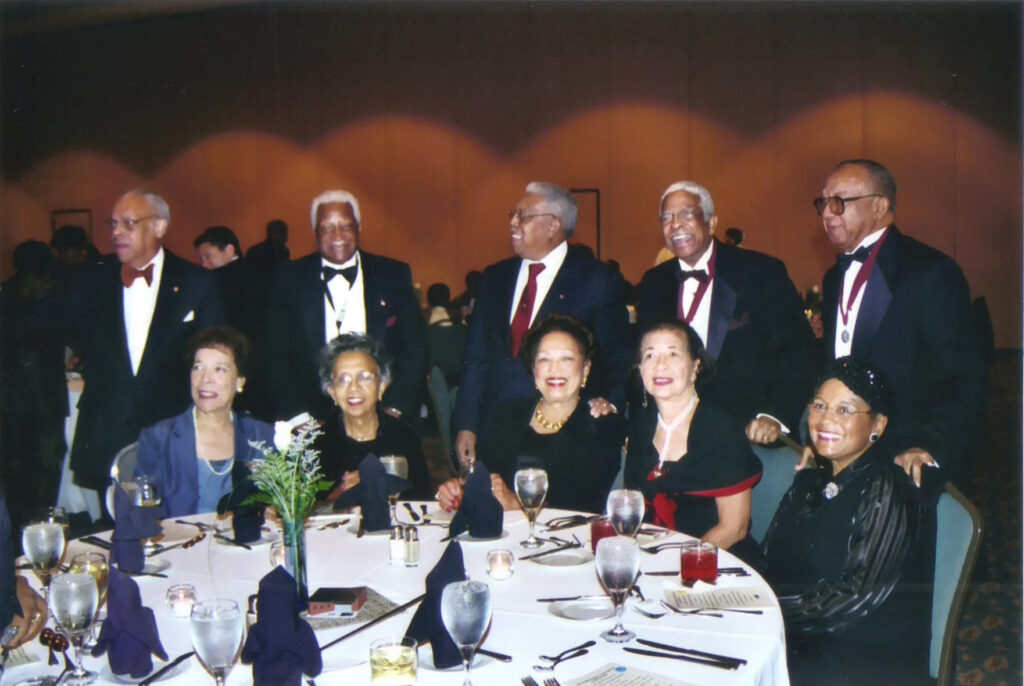
While the architects organized, the wives played an often overlooked yet essential role, building networks through outreach and phone calls, offering community and encouragement behind the scenes. Together, they formed a support system that helped NOMA take root and grow. The founders were resourceful and pragmatic, finding creative ways to work within constraints and redefine what was possible. For June, the strength of the organization lay not only in its advocacy but in its belief that difference could be a source of power rather than limitation.
As NOMA evolved through the decades, June witnessed its impact across generations. Wendell became a mentor and role model to many emerging architects, encouraging them to act with integrity, courage, and purpose. As Leslie recalls, he often told students, “Don’t be the type of person who only talks about the problem. Be someone that comes up with the solution.” That sentiment, echoed by June and Bryan, continues to resonate as they reflect on the enduring importance of mentorship, representation, and persistence.
Throughout the episode, June shares stories of courage and humanity, of how love, family, and faith helped sustain a movement. Her voice reminds us that the legacy of change is built when people choose to define their own path and lift others as they climb.
The Podcast
Every month, we interview a designer, discussing how their identity, role models, and other design ideas shape who they are as people.