Episode Description
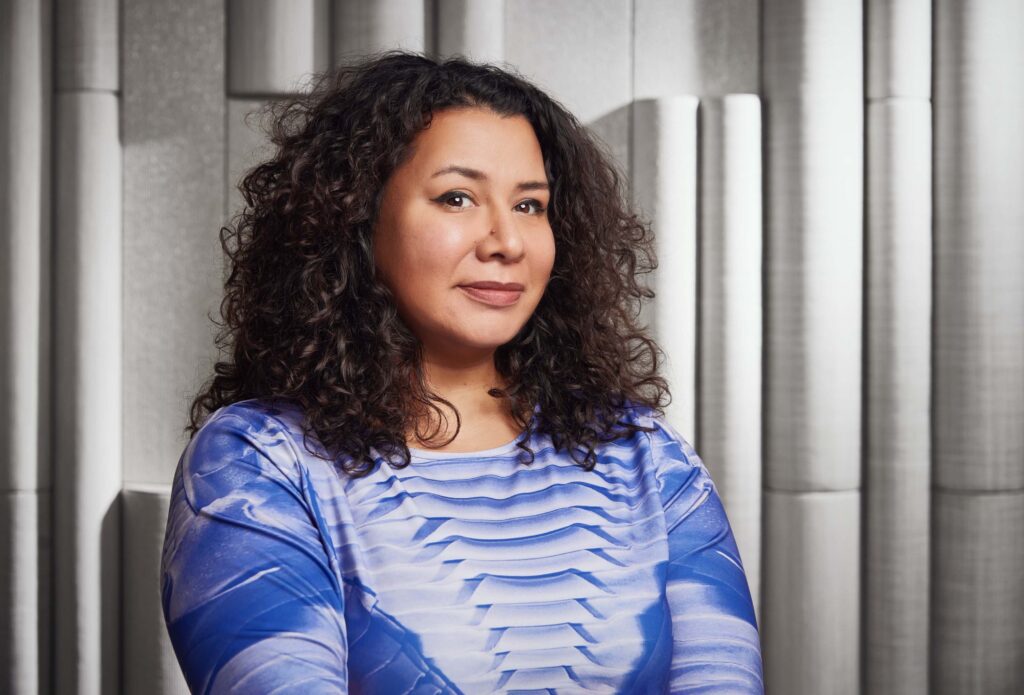
Monica Chadha is the founder and principal of Civic Projects Architecture, a Chicago-based social impact design firm with a focus on high-quality design and long-term strategic thinking. Prior to starting her firm, Monica served as founding director of Impact Detroit and led project teams at Studio Gang and Ross Barney Architects. Her early career at the Vastu-Shilpa Foundation with Balkrishna Doshi laid the foundation for her commitment to socially engaged design. Monica has led the design teams for cultural institutions such as the Sunshine Community Center and Yollocalli Arts Reach (National Museum of Mexican Art), and she is currently working with RAA on the Obama Presidential Center Museum. Monica also serves on the Board of Trustees of the Graham Foundation and has been an Adjunct Professor at the Illinois Institute of Technology. Her academic background includes a Masters of Architecture from the University of Illinois at Chicago and a Bachelors of Environmental Studies in Architecture from the University of Waterloo, Canada.
“We need to recognize how we approach architecture needs to be more inclusive and accommodate different people’s needs”
This episode explores Monica’s journey in architecture and her reflections on the challenges and imperatives of creating spaces that serve diverse communities. Monica discusses her background and how frequent travel between Canada and India at a young age gave her a unique perspective on the differences in the way spaces are designed. A particularly impactful period was her time at the Vastu-Shilpa Foundation with Balkrishna Doshi, where she learned about “flexible housing” and social housing projects, which emphasized the importance of design responding to real human needs. She shares, “we need to recognize how we approach architecture needs to be more inclusive and accommodate different people’s needs”. Moving to Chicago in her early career and before becoming a mother while in graduate school further deepened Monica’s understanding of how environments are often not built to accommodate everyone, motivating her to think about space from multiple perspectives.
“I learned there was more than one way to do architecture.”
Monica’s approach to architectural practice focuses on “People, Process, and Place”. She emphasizes the significance of bringing people together in the design process—listening to them, understanding their needs, and accepting that the best solution might not always be architectural. In Monica’s words, “I learned there were more than one way to do architecture”, highlighting that the project might not even be architecture. The design process shines through in transformative projects like the Chicago Torture Justice Center and the Yollocalli Arts Reach, where communities played a decisive role in shaping their own spaces. Monica underscores the value of a community-led process in design: “That building, [the Yollocalli Arts Reach], looks nothing like anything I could’ve imagined because it’s not me who created that building”.
Throughout the episode, Monica discusses how architecture can serve as both advocacy and agency, empowering communities to have true ownership over their spaces. She views advocacy as a tool that demonstrates agency is possible. Monica emphasizes that meaningful change demands time, stating “You need 3-5 years in a neighborhood or a community or with an organization to actually truly listen and impact change”. This process also requires challenging the conventional notion of architecture as a pre-defined practice. By continually advocating for more inclusive, collaborative, and socially impactful design, Monica champions the idea that design should always reflect the needs, values, and visions of those they serve.
The Podcast
Every month, we interview a designer, discussing how their identity, role models, and other design ideas shape who they are as people.