Episode Description
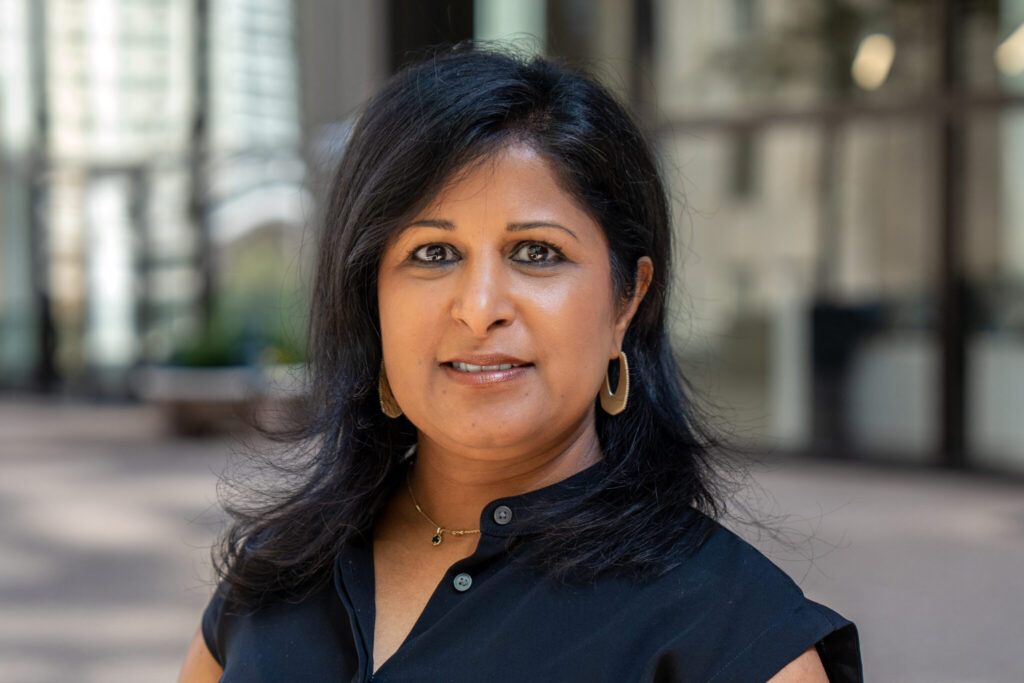
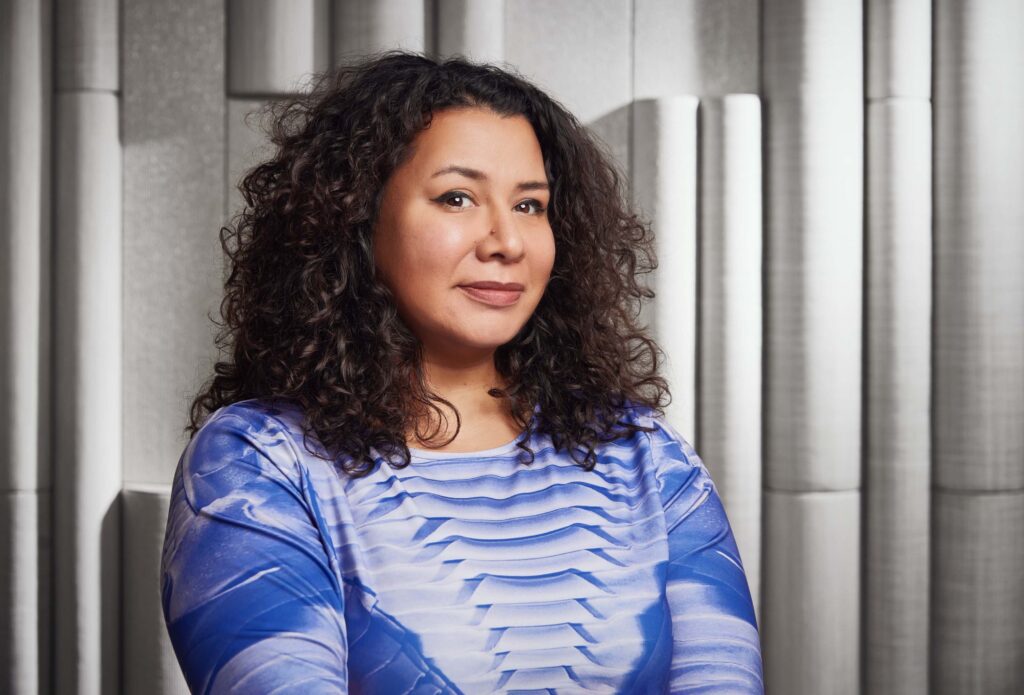
This episode of Beyond the Surface features Katherine Darnstadt, founder and principal of Latent, a practice operating at the intersection of architecture and community development to create social, economic, and environmental impact beyond the building. Since founding Latent in 2010, Katherine’s work has been widely recognized and exhibited, including at the Venice Architecture Biennale, the Architecture League of New York Emerging Voices, and the Architect’s Newspaper Midwest Small Firm of the Year. She is the recipient of the AIA Young Architects Award and was named to Crain’s Chicago 40 Under 40, with her work also featured in 100 Women Architects by RIBA.
Katherine’s relationship to Chicago is deeply layered, shaped by both her adoptive and biological family histories in the city. This personal connection informs her understanding of how systems, both visible and invisible, shape neighborhoods and opportunities. In the conversation, she reflects on how many of the inequities present today are rooted in legacy systems that continue to impact communities, often in ways that go unexamined within traditional architectural education.
“I think my career arc has always been about seeing a gap and trying to learn about that gap,”
Early in her career, Katherine worked on a wide range of small-scale projects, including addressing code violations and working directly with homeowners. These experiences became formative, revealing how policy, regulation, and economics fundamentally shape the built environment. “I think my career arc has always been about seeing a gap and trying to learn about that gap,” she explains, framing her trajectory as a continuous process of inquiry and response. This mindset ultimately led to the creation of Latent, where her work challenges conventional notions of scale and impact. Her approach underscores the idea that meaningful impact often requires patience, consistency, and a deep understanding of context.
“We get things wrong, we figure out why we got it wrong, and then we try to make it right.”
At the core of her work is a commitment to learning through action and iteration. “We get things wrong, we figure out why we got it wrong, and then we try to make it right,” she shares. Paired with her belief that architecture carries both functional and social power, her perspective reframes design as an ongoing, adaptive process; one that requires curiosity, accountability, and a willingness to engage with complexity in order to create lasting impact.
The Podcast
Every month, we interview a designer, discussing how their identity, role models, and other design ideas shape who they are as people.